
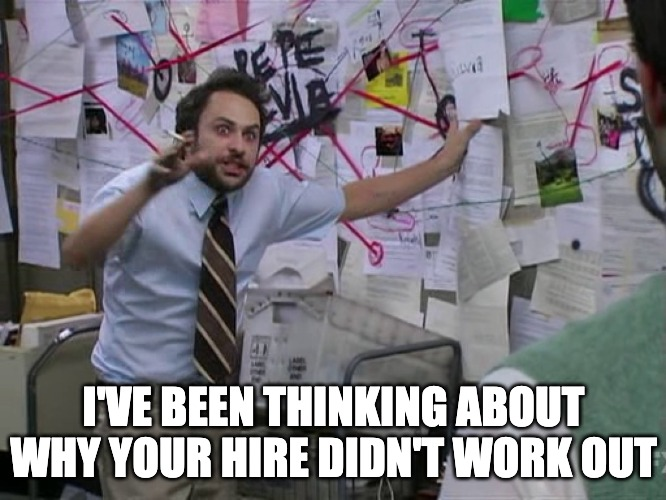
In construction, there’s a dangerous assumption baked into many hiring decisions:
“If we find a good person, the rest will work itself out.”
It sounds logical. Recruiting is expensive. Good candidates are scarce. Why not believe that securing the right person solves the problem?
Because in reality, many hires fail despite the candidate being capable, experienced, and well-intentioned. The problem is that certain risks live upstream of recruiting. If they aren’t addressed, even the strongest hire can’t win.
Then we hear things like “no one wants to work” and “I can’t find good people these days.” We externalize the blame for problems the candidates have nothing to do with.
Here are three you can’t ignore.
1. Leadership impact risk
The way you lead will shape the way they succeed, or fail.
Even the most self-managing construction professional will calibrate their performance around the tone and expectations set by their leader.
If leadership is inconsistent, unclear, or inaccessible, you create decision bottlenecks and second-guessing. If it’s authoritarian, you limit initiative. If it’s hands-off to the point of neglect, you breed disengagement.
A candidate can bring capability, but they can’t rewrite the operating style at the top. That’s a leadership development project, not a recruiting project.
B-level leaders cannot reliably retain A-level talent.

From The Leadership Challenge by Kouzes & Posner:
“Leaders create the climate in which people turn up either anxious and guarded or confident and committed.”
2. Culture impact risk
The day-to-day experience of working here will overpower the resume you hired.
Culture is the net sum of what your team tolerates and celebrates. If your jobsite norms reward cutting corners, overlook toxic behavior, or grind people down without recognition, those forces will outlast any single hire’s enthusiasm.
High performers adapt to the dominant environment to survive. If the culture rewards the wrong things, “good” candidates either change for the worse, or leave.
This isn’t a sourcing problem. It’s a shared habit problem. Culture has to be shaped and reinforced every day by leadership and peers.
B-level culture cannot reliably retain A-level talent.
3. System & role design risk
If the role is unclear or the systems are broken, you’ve set them up to fail.
In construction, undefined scopes, conflicting responsibilities, and lack of decision authority are silent killers of performance.
The candidate may have the skills, but if they don’t know what success looks like, or if the processes are so chaotic they can’t execute, they will burn out.
Good candidates can improvise for a while, but without system clarity, you’re paying a premium for someone to do guesswork. That’s an operational design issue, not a recruiting gap.
As Peter Drucker put it:
“There is nothing so useless as doing efficiently that which should not be done at all.”
B-level systems and role clarity cannot reliably retain A-level talent.
Why this matters for your next hire
When leaders tell us a hire “didn’t work out,” the autopsy often reveals the candidate wasn’t the real problem. Recruiting put the right person in the seat. Leadership impact, cultural forces, or role design made the seat impossible to succeed in.
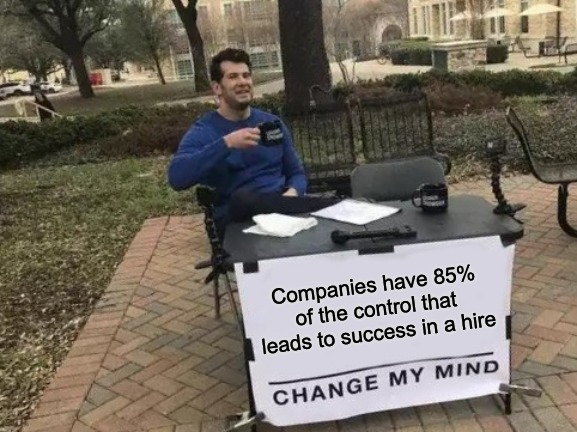
The real competitive advantage is not just finding good candidates, it’s making sure they can win once they get here.
The short version.
- Why do good hires fail even when the candidate was strong?
- Because certain risks live upstream of recruiting: leadership impact, culture, and system or role design. A capable, experienced, well-intentioned hire cannot rewrite the operating style at the top, outlast a culture that rewards the wrong things, or succeed in a role with no clarity. When those go unaddressed, even the strongest hire cannot win, yet leaders often externalize the blame with lines like no one wants to work anymore.
- How does leadership style put a new hire at risk?
- Even the most self-managing construction professional calibrates their performance around the tone and expectations set by their leader. Inconsistent, unclear, or inaccessible leadership creates decision bottlenecks and second-guessing, authoritarian leadership limits initiative, and neglectful hands-off leadership breeds disengagement. B-level leaders cannot reliably retain A-level talent, and fixing that is a leadership development project, not a recruiting project.
- Can a great hire fix a broken company culture?
- No. Culture is the net sum of what your team tolerates and celebrates, and those forces outlast any single hire's enthusiasm. High performers adapt to the dominant environment to survive, so if the culture rewards the wrong things, good candidates either change for the worse or leave. Culture has to be shaped and reinforced every day by leadership and peers.
- What is role design risk in construction hiring?
- Undefined scopes, conflicting responsibilities, and lack of decision authority, which are silent killers of performance. Without a clear role blueprint, a skilled candidate who does not know what success looks like, or who cannot execute inside chaotic processes, will burn out, and you end up paying a premium for guesswork. That is an operational design issue, not a recruiting gap.


